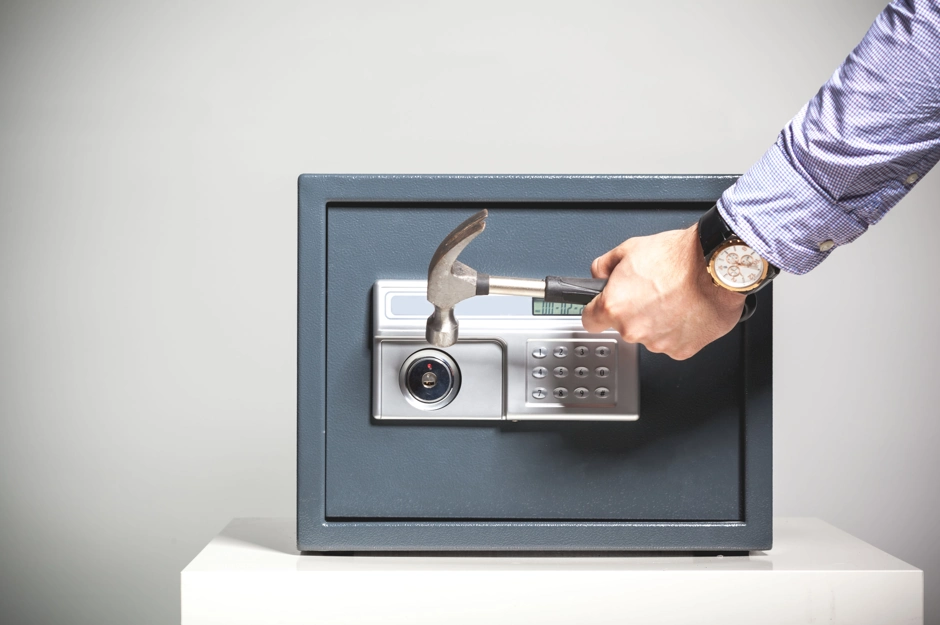
Safe cracking refers to the process of opening a locked safe without using its original key, password, or combination. The term is widely used in movies and online searches, but in real life, it has two very different meanings. It can refer to illegal attempts to break into a safe, or it can refer to legal and professional safe opening performed by licensed locksmiths and security experts.
Today, most real-world cases of “safe cracking” in the United States are not criminal actions. They are service requests from homeowners, banks, or businesses that have lost access to their safes or are dealing with malfunctioning locking systems.
This guide explains how safe cracking works in simple terms, the different types of safes, legal boundaries, and how professionals handle secure access problems safely.
What Safe Cracking Really Means?
The term safe cracking is often misunderstood. In simple terms, it means gaining access to a locked safe without the original entry method. However, the intent behind it defines whether it is legal or illegal.
Illegal safe cracking involves breaking into a safe without permission, usually for theft. This is a serious crime in the United States and is prosecuted under burglary and theft laws.
Legal safe opening is completely different. It is performed by trained professionals when the rightful owner needs access but cannot open the safe due to lost combinations, broken locks, or technical issues.
In modern security practice, the focus is no longer on “cracking” safes but on controlled and damage-minimized safe access.
Why People Search for Safe Cracking?
Most users who search for safe cracking are not criminals. Their intent usually falls into one of three categories.
First, there is curiosity. People want to understand whether safes can actually be opened without keys and how secure they really are.
Second, there is a problem-solving need. Many users are locked out of home or business safes and need help regaining access.
Third, there is security research. Businesses often search for safe cracking to understand risks, improve protection, or evaluate locksmith services.
Understanding this intent is important because it shows that the topic is mostly about security and access recovery, not crime.
Types of Safe Cracking in Real Life
Safe cracking can be divided into three main categories based on purpose and legality.
Illegal Safe Cracking
This refers to unauthorized attempts to open a safe. It is usually done with force, tools, or manipulation techniques for theft. It is illegal in all U.S. states and carries severe legal consequences.
Professional Safe Opening
This is the most common real-world scenario. Licensed locksmiths or safe technicians open safes for owners who have lost access. These professionals work under legal authorization and follow strict procedures to ensure compliance and safety.
Forensic Safe Access
This type is used by law enforcement agencies during investigations. It is performed under legal warrants and is carefully documented to preserve evidence.
How Are Safes Designed for Security?
Modern safes are built to resist unauthorized access through multiple layers of protection.
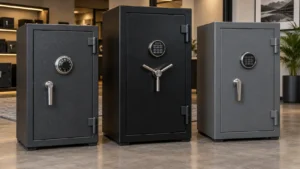
Most safes use advanced locking systems such as mechanical combination locks, electronic keypads, or biometric scanners. These systems are designed to prevent guessing or manipulation.
The physical structure of a safe is equally important. High-quality safes are made from hardened steel and often include drill-resistant plates and reinforced locking bolts. These materials make forced entry extremely difficult.
Many safes also include anti-tamper systems. These features can lock the safe automatically after repeated incorrect attempts or detect physical interference and activate additional security layers.
Why Is Safe Cracking Extremely Difficult Today?
Modern safes are far more advanced than older models. In the past, mechanical safes had predictable designs that could sometimes be manipulated with experience and tools.
Today, safes are designed with precision engineering and digital technology. Electronic safes use encrypted systems that are difficult to bypass. Mechanical safes now include anti-drill protection and randomized internal mechanisms.
Because of these improvements, most access issues today are not caused by external cracking attempts but by forgotten codes, system malfunctions, or power failures.
Common Situations That Lead to Safe Lockouts
Most safe-related service requests come from everyday situations.
Homeowners often forget combinations or lose access to small personal safes. In other cases, electronic safes stop responding due to battery failure or internal faults.
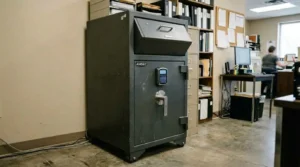
Businesses face similar issues on a larger scale. Office safes may become inaccessible due to employee turnover or system errors. In urgent situations, access may be required for cash flow, documents, or compliance needs.
Emergency cases also occur after fires, floods, or break-ins when safes are damaged and need professional recovery.
Professional Safe Opening vs Safe Cracking
It is important to understand the difference between these two terms.
Safe cracking refers to unauthorized and illegal attempts to open a safe. It is associated with theft and criminal activity.
Safe opening refers to legal, controlled, and professional access performed by certified technicians. It is used when the rightful owner cannot open their safe.
Safe repair involves fixing mechanical or electronic issues that prevent access. It is also a legal and common service.
Understanding this difference is important for both safety and compliance.
How Professionals Handle Safe Opening?
Professional safe technicians do not rely on force in most cases. Their first step is to identify the type of safe and the nature of the problem.
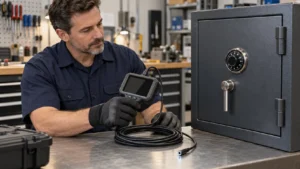
They evaluate whether the issue is mechanical, electronic, or user-related. Depending on the situation, they use specialized diagnostic tools to determine the safest way to restore access.
In many cases, professionals are able to open safes without damaging them. In more complex situations, controlled techniques may be used to access the locking system while minimizing damage.
The goal is always to restore access while preserving the safe and its contents.
Also read: Biometric Safe Locks: Are They Worth It?
Myths About Safe Cracking
- All safes can be easily broken into with basic tools or force
- Modern safes are weak and offer little real protection
- Safe cracking is quick and simple in real-life situations
- Hollywood-style methods accurately reflect real-world safe access
- Mechanical safes are always less secure than electronic ones
- Electronic safes can be easily bypassed or hacked
- Safe security depends only on the lock, not the full structure
- Professionals can open any safe instantly without effort or tools
- Old safes are still as secure as modern certified models
- Safe cracking is mostly about skill rather than advanced engineering resistance
How to Improve Safe Security?
- Choose safes with certified security ratings (UL or equivalent standards)
- Invest in safes with multi-layer locking systems and reinforced steel construction
- Keep access codes stored in a secure and controlled location
- Change combinations or passwords regularly to reduce risk exposure
- Avoid using predictable codes such as birthdays or simple sequences
- Maintain backup access procedures for emergencies
- Ensure multiple authorized personnel in businesses have controlled access
- Schedule regular maintenance checks for mechanical and electronic safes
- Replace outdated safes that lack modern anti-tamper technology
- Install safes in secure, low-visibility locations within the property
- Ensure electronic safes have battery backup systems in place
- Educate staff or household members on proper safe usage protocols
When You Should Call a Safe Professional?
You should contact a professional safe technician if you are locked out of your safe, if the lock system is not responding, or if you suspect mechanical failure.
Professional help is also needed in emergencies where immediate access is required. Attempting to force a safe open can cause permanent damage and increase repair costs..
Hire NYC City Safe for Professional Safe Services in New York
NYC City Safe provides professional safe opening, repair, and security services for residential and commercial clients across New York. Our team handles safe lockouts, system failures, and security upgrades with a focus on safe, legal, and damage-minimized solutions.
We assist homeowners, businesses, and institutions in restoring access to locked safes while maintaining security and compliance standards.