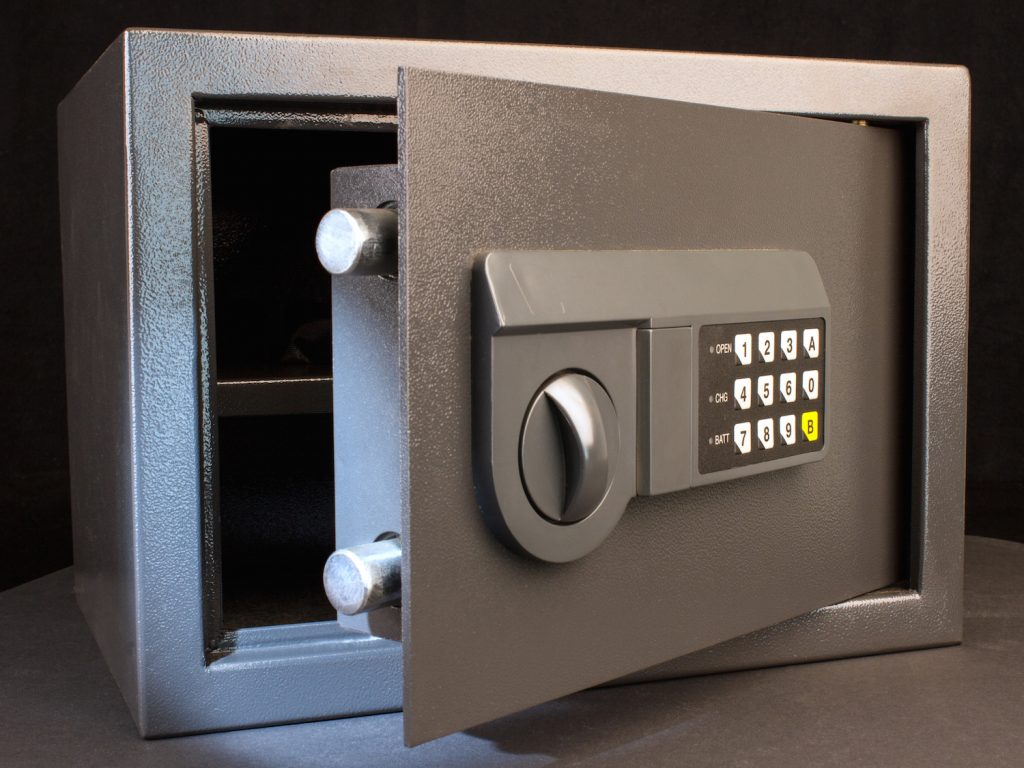
Buying a safe seems straightforward: pick a heavy steel box, put valuables in, lock it, and relax. But the truth is more complicated. The wrong safe can fail when it matters most, whether during a burglary, a house fire, or even day-to-day use. Many homeowners and business owners make the same mistakes when choosing a safe, often because they don’t understand how safes are tested, rated, or built. This safe buying guide breaks down the most common mistakes so you can avoid them and invest in a safe that truly protects what you value.
Mistakes to Avoid When Buying a Safe
Ignoring Fire Ratings and Assuming All Safes Are Fireproof
One of the biggest misconceptions is that a safe is automatically fireproof. It’s not. A safe only protects against fire if it carries a certified fire rating, usually from UL, Intertek, or another independent testing agency.
What many buyers overlook:
- Some safes labeled as “fire-resistant” have never been tested.
- Cheap safes often survive only minutes in a fire.
- Paper, digital media, and jewelry require different internal temperatures to stay safe.
How to avoid this mistake:
Choose a safe with a minimum of 1-hour certified fire protection. Firefighters say an average house fire burns hottest between 700-1200°F and can last up to an hour. A 30-minute rating may not be enough.
Focusing Only on Price and Not on Construction Quality
It’s tempting to search for the best deal, but cheap safes are cheap for a reason. They often use thin steel, weak welds, and cosmetic features that look secure but fail quickly under pressure.
Key issues with low-end safes:
- Steel thickness may be as low as 18-20 gauge, which burglars can pry open in minutes.
- Hinges might be external with no locking bolts.
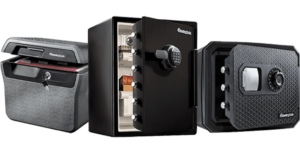
- Many “home safes” sold at big box stores are glorified lockboxes.
What to look for instead:
If security is your priority, choose a safe with:
- At least 11-12 gauge steel for home use.
- 8 gauge or thicker for high-value protection.
- Internal hinges and active locking bolts on at least two sides.
Quality safes cost more because they actually protect you.
Buying the Wrong Size – Underestimating Your Future Needs
People often buy safes that are too small. They measure their current values and forget that life changes. Documents accumulate. Jewelry collections grow. Guns, electronics, cash, and hard drives require space. A crowded safe increases the risk of damage and makes the organization difficult to use.
Rule of thumb: Buy a safe 30-40% larger than what you think you need. Most safe owners regret not sizing up.
Overlooking Burglary Ratings and Security Certifications
A safe should have more than a lock; it should have a burglary rating that proves it can withstand real break-in attempts. This is where many buyers get confused because the labels look similar, but the protection level varies widely.
Common burglary ratings:
- B-Rate: No formal test; indicates solid steel construction, typically 1/2 inch door and 1/4 inch body.
- C-Rate: Stronger than B-Rate, with thicker steel.
- UL RSC: Tested to resist break-ins for at least 5 minutes with common tools.
- UL TL-15 / TL-30: High-security safes tested against specialized tools for 15 or 30 minutes.
Mistake to avoid: Assuming a heavy safe is automatically secure. Weight helps, but certified ratings are proof of actual break-in resistance.
Choosing the Wrong Lock Type for Your Needs
Key locks, mechanical dials, and electronic keypads each have advantages and drawbacks. Many buyers pick locks based on convenience without considering security or long-term reliability.
What goes wrong:
- Cheap electronic locks fail due to weak circuitry.
- Key locks can be picked or duplicated.
- Mechanical dials are reliable but slow to open.
Smart recommendation: A UL-listed electronic keypad provides quick access with good reliability. For very high-end safes, many professionals prefer redundant locks for backup.
Also read: Digital vs Mechanical Safes: Which Is Better?
Forgetting to Bolt Down the Safe
A safe that isn’t bolted down is much easier to steal than people think. Burglars don’t always try to crack a safe on-site; they often take the entire unit and open it later.
The mistake: Assuming weight alone prevents theft. Even a 300-pound safe can be tipped, slid, or carried by two determined people.
Solution: Install your safe with heavy-duty anchor bolts into concrete or solid flooring. Many insurance companies require bolt-on coverage.
Placing the Safe in an Obvious or Vulnerable Location
Where you put your safe matters, too many people place it in the master bedroom, closet, or home office, exactly where burglars look first.
Better placement ideas:
- A basement corner
- A secure utility room
- Inside a reinforced cabinet
- A discreet location away from the main bedrooms
The goal is to make the safe harder to find and harder to access.
Not Considering What You’re Actually Storing
Different items require different safe features. A one-size-fits-all approach is risky.
Examples:
- Paper documents need lower internal temperatures during a fire.
- Digital media, USB drives, hard disks, and SD cards must be kept below 125°F.
- Jewelry can melt or tarnish from fire-safe insulation if not properly stored.
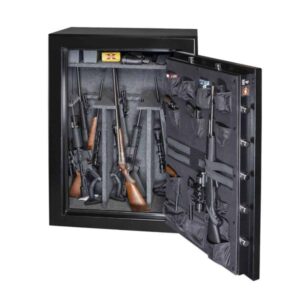
- Guns require height and rack space plus humidity control.
Always match the safe’s rating to the item’s specific vulnerabilities.
Overlooking Humidity and Internal Environment Control
Moisture damages passports, firearms, cash, and electronics. A safe becomes a micro-climate, and without airflow, humidity builds quickly.
Common mistake: Thinking fire insulation keeps everything safe. In reality, fireboard releases moisture during high heat, which can cause internal humidity spikes.
How to prevent damage:
- Use a dehumidifier rod or desiccant packs.
- Check humidity levels periodically.
- Avoid placing safes in damp areas unless they’re designed for it.
Not Thinking About Delivery and Installation Challenges
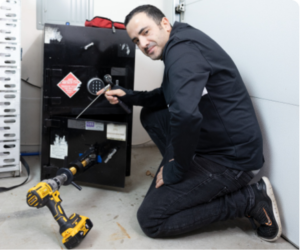
Safes are heavy, awkward, and often need professional installation. Many buyers skip planning and end up with a safe that can’t fit through a doorway or up a staircase.
Avoid this by:
- Measuring hallways, staircases, and final placement areas.
- Confirming floor load capacity for large safes.
- Adding installation costs to your budget
A safe that can’t be moved safely becomes a liability.
Are you interested in buying a safe to keep your valuables protected? Contact us at NYC City Safe. We have the best quality safe ready to install at your property. Contact us today and book an appointment.