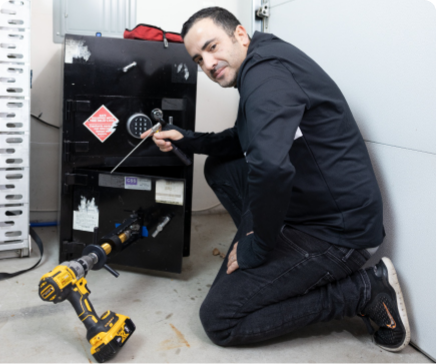
A safe is only as reliable as its condition. Whether it’s a small home safe protecting documents and jewelry or a heavy-duty commercial safe storing cash, firearms, or sensitive records, regular maintenance is essential. A neglected safe can jam, fail to lock properly, or even compromise the very security it’s meant to provide.
Today, we will be discussing the checklist for safe maintenance in NYC.
Safe Maintenance Checklist
Exterior Inspection and Care of the Safe
Start with a visual inspection of the safe’s exterior. Check the door alignment. If the door scrapes, drags, or doesn’t sit flush when closed, it may indicate hinge wear or internal stress. This can lead to locking problems if ignored.
Inspect the handle or keypad for looseness. A wobbly handle or shifting keypad is a warning sign that internal components may be under strain. Look for rust, corrosion, or paint damage, especially if the safe is installed in a basement, garage, or commercial back room. Moisture exposure can weaken the body and locking system over time.
Clean the exterior using a soft cloth. Avoid harsh chemicals that can damage finishes or seep into lock components.
Lock and Keypad Maintenance Essentials
The lock is the heart of any safe. For mechanical dial safes, rotate the dial slowly and smoothly during use. Grinding sounds, stiffness, or inconsistent resistance often signal internal debris or wear.
Electronic keypads should be checked for responsiveness. Delayed input, missed button presses, or error beeps may point to low batteries or internal issues. Change batteries proactively, not after failure. For home and business safes, replacing batteries once a year is a good rule, even if they still appear functional.
Never force the lock. If the safe doesn’t open smoothly, stop and assess. Forcing can cause internal damage that turns a small issue into a lockout.
Bolt Work and Door Mechanism Check
The bolt system secures the safe door and must operate freely. Open the safe and observe the bolts while turning the handle or dial. They should extend and retract smoothly without hesitation. Listen for unusual clicking or grinding sounds. These noises often indicate misalignment or lack of lubrication.
Avoid DIY lubrication unless specified by the manufacturer. Incorrect lubricants can attract dust or damage internal components. When in doubt, consult a professional safe technician. For businesses with high-use safes, bolt work should be inspected periodically by a licensed locksmith.
Interior Safe Maintenance and Organization
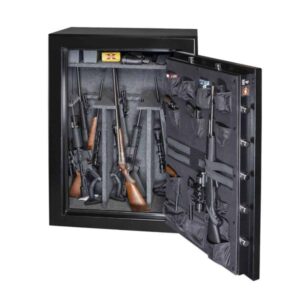
The inside of the safe deserves attention too. Remove all contents periodically and inspect the interior for moisture, odors, or discoloration. These are early signs of humidity problems. Use silica gel packs or dehumidifiers designed for safes to control moisture, especially in humid climates or commercial environments.
Keep the interior organized. Overstuffing can interfere with the door closing properly and stress locking components. Store items away from the door edges and bolt pathways. Documents or objects caught near bolts can prevent proper locking.
Also read: Digital vs Mechanical Safes: Which Is Better?
Fire and Water Protection Integrity
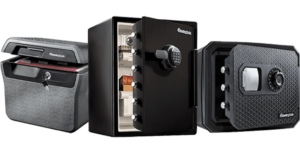
Many safes are rated for fire and water resistance, but these features rely on intact seals and structure. Inspect the fire seal around the door. Cracks, brittleness, or missing sections reduce fire protection and should be addressed immediately.
Ensure the door closes tightly against the seal. A poor seal compromises both fire and water resistance. If a safe has been exposed to fire, flooding, or heavy impact, have it professionally inspected even if it appears functional.
Safe Placement and Environmental Factors
Where a safe is installed affects its longevity. Avoid placing safes directly on concrete floors without insulation. Concrete draws moisture, increasing corrosion risk. Ensure adequate ventilation around the safe, especially for electronic models that generate heat.
For businesses, bolted-down safes should be checked periodically to confirm anchor bolts remain tight and secure. Temperature extremes can affect electronic components and internal tolerances. Stable environments help preserve safe performance.
Usage Habits That Extend Safe Life
Daily habits play a big role in safe maintenance. Always fully close the door before locking. Partial closure can damage bolt mechanisms. Avoid spinning mechanical dials quickly or slamming doors shut. Precision components last longer with gentle handling.
Change combinations periodically, especially in businesses with staff turnover. This improves security and allows you to detect early lock issues. Keep backup access methods, such as override keys or codes, stored securely but accessible when needed.
Professional Safe Servicing and When to Call an Expert
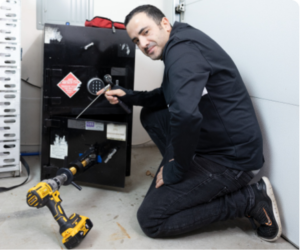
Some maintenance tasks require professional expertise. Schedule professional servicing for commercial safes or high-value residential safes every few years. A technician can clean internal components, adjust alignment, and detect early wear. Call a professional immediately if the safe shows signs of lock failure, delayed opening, or bolt resistance. Early intervention prevents full lockouts.
Never drill, pry, or attempt forced entry yourself. This often causes permanent damage and voids warranties.
Record Keeping and Long-Term Care
Maintain a simple maintenance log. Record battery changes, combination updates, inspections, and service visits. For businesses, this documentation supports compliance and insurance claims.
Store manufacturer manuals and service contacts securely. Knowing the safe’s model and specifications speeds up repairs. Plan for long-term ownership. A well-maintained safe can last decades, protecting assets reliably with minimal issues.
Contact NYC City Safe For Regular Safe Maintenance Service
Keeping your safe in perfect working condition is essential for long-term security and reliability. NYC City Safe offers professional, regular safe maintenance services designed for both homeowners and businesses.
Our experienced technicians inspect locking systems, bolt work, hinges, and electronic components to ensure smooth operation and maximum protection. We help prevent lockouts, mechanical failures, and costly emergency repairs before they happen. From routine inspections to detailed servicing, NYC City Safe keeps your safe secure, functional, and dependable year-round.
Contact us today to schedule regular safe maintenance in NYC and protect your valuables with confidence.