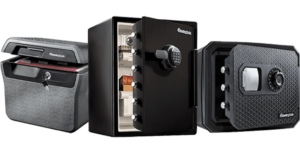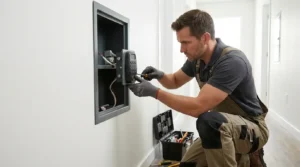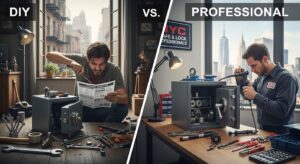
Most people have something worth protecting, such as cash, a firearm, important papers, jewelry, or even a hard drive full of personal files. A safe is one of the most practical ways to keep those things out of the wrong hands. But choosing the right lock for that safe can be a little confusing, especially now that biometric options are becoming more common and affordable.
Biometric safe locks have moved from being a luxury product to something you can find at most hardware and security stores. They work differently from standard key locks or keypads, and that difference matters for both ease of use and the protection they provide for your valuables. Before spending money on one, it helps to understand what these locks do, where they work well, and their limitations.
What Is a Biometric Safe Lock?
A biometric safe lock is a lock that reads a physical part of your body to let you in. Most of the time, that means your fingerprint. You press your finger on a small sensor, and if the lock recognizes your print, the safe opens.
The word “biometric” simply means it measures biological characteristics. Because every person’s fingerprint is unique, the lock stores a digital copy of your fingerprint when you first set it up. Every time you try to open the safe, the sensor scans your finger and checks whether it matches the stored version. If it does, you’re in; if it doesn’t, the safe stays shut.
Some higher-end models also use facial recognition or eye scans, but fingerprint-based biometric safe locks are by far the most common and practical for everyday home and business use.
How Do These Locks Actually Work?
The process behind biometric locks is a bit more technical than a regular keypad, but using one is actually easier. Here’s a simple breakdown of how they work:
- Step 1 – Enrollment: When you first set up the safe, you scan your finger a few times so the lock can learn and store your fingerprint.
- Step 2 – Scanning: The next time you want to open the safe, press your finger on the sensor.
- Step 3 – Matching: The lock compares your live scan with the stored version in its memory.
- Step 4 – Access decision: If it’s a match, the lock usually opens within a second. If not, nothing happens.
Most biometric safes let you store more than one fingerprint, so you can register both hands and add a spouse, business partner, or another trusted person. That way, they can access the safe without you having to give them a code.
Different Types of Biometric Sensors
Not all biometric locks use the same scanning technology. Here are the main types you’ll encounter when buying one:
- Optical scanners: These capture a light-based image of your fingerprint. They’re the most affordable and widely available type. Good for most home use.
- Capacitive scanners: These use tiny electrical signals to map your fingerprint. They tend to be more accurate than optical sensors and are less likely to be fooled by a fingerprint photo.
- Ultrasonic scanners: These use sound waves to scan your finger. They work even when your hands are slightly wet or dirty, making them a more reliable option in real-world conditions.
- Vein recognition: This reads the vein pattern beneath your skin. It’s highly accurate and hard to fake, but it’s also expensive and less common in standard safes.
For most people, an optical or capacitive scanner does a solid job. Ultrasonic is worth considering if you work with your hands a lot and they’re often dirty or calloused.
The Benefits of Biometric Safe Locks
There are practical reasons people are switching to biometric locks. Here’s what makes them stand out:
- Speed: Opening a biometric safe takes about half a second. There’s no need to dial a combo or find a key.
- Nothing to forget: You can’t forget your fingerprint. No more lost keys or blanked-out codes at the worst possible moments.
- Difficult to share by accident: A key can be copied, and a code can be written down and found. Your fingerprint can’t be passed to someone else that easily.
- Multiple users: You can add trusted people by registering their fingerprints, so the right people always have access.
- Works well in the dark or under stress: In an emergency, muscle memory takes over. You press your finger, and the safe opens.
- Clean setup: After the first enrollment, maintenance is straightforward.
The Downsides You Should Know Before Buying
Biometric locks are good, but they’re not perfect. Here are the real limitations to keep in mind:
- They need power: These locks run on batteries. If the battery dies, the fingerprint sensor won’t work. Most good models include a key or a backup PIN for this exact situation.
- Sensor reading problems: Very dirty hands, deep cuts on your fingertips, or extremely dry skin can sometimes confuse the sensor, leading to a failed read.
- They cost more: Biometric safes are pricier than basic key or combination locks. You’re paying for the technology, in addition to the safe itself.
- Sensor wear over time: The fingerprint sensor sits on the outside of the safe and is touched constantly. Over time, it can become scratched or less responsive.
- Some people have data concerns: The lock stores a digital version of your fingerprint. Not everyone is comfortable with that, even though the data stays local on the device in most models.
Are They Worth the Money?
For most people, yes. Biometric safe locks are worth the extra cost, especially if you need fast, reliable access to something important. Gun owners, in particular, benefit greatly from this type of lock. In an emergency at home, you don’t want to be fumbling with keys or trying to enter a six-digit code in the dark.
If you’re storing something you access only occasionally, like important documents or backup cash, a standard digital keypad safe is perfectly fine and costs less. But if you need speed, daily use, or peace of mind that the right people can get in quickly without a code, biometrics is a smart investment.
Also Read: How Much Does It Cost to Open a Locked Safe in 2025?
Who Needs a Biometric Safe?
Some people benefit more from biometric safe locks than others. Here’s a quick look at who gets the most value from them:
- Firearm owners who want quick access in an emergency without compromising security
- Parents who keep a gun at home and need it locked, yet still accessible quickly
- Small business owners storing cash or sensitive paperwork on-site
- People who tend to forget codes or regularly misplace keys
- Anyone who shares a safe with a few trusted people and wants to avoid handing out codes
- Homeowners who want a solid security upgrade without overcomplicating the process
Also Read: Why Every Gun Owner Needs a Gun Safe in New York
What to Check Before You Buy One
Here are some things to look at before making a decision:
- Fingerprint storage capacity: Look for a model that can store 20-30 fingerprints, especially if multiple people need access.
- Backup entry options: Always choose a model that has a physical key or PIN backup. A dead battery shouldn’t lock you out permanently.
- Steel thickness and build quality: A great sensor in a flimsy box doesn’t help. Check the steel gauge and overall construction.
- Low-battery warning: Good safes alert you before the battery dies completely, so you’re never stuck.
- Brand reputation and warranty: Stick to brands with solid reviews and a warranty.
Also Read: Top Mistakes to Avoid When Buying a Safe
How NYC City Safe Can Help You Choose the Right One
NYC City Safe has been helping New Yorkers find the right safes and security solutions for years. Our team works with homeowners, business owners, and property managers, each with different storage needs and budgets. There’s no single safe that works for everyone, and our staff takes the time to understand what a customer actually needs before pointing them toward the right option.
Our inventory includes a range of biometric safe options from trusted brands, as well as standard keypad and combination safes for those who prefer them. We can walk you through the differences in person, help you compare models, and ensure you’re not overpaying for features you don’t need. If you’re in New York and looking to install a safe that fits your needs, we’re here to help.